Olympia Appliance Service Shaped by Older Houses and Soft Water
Olympia is an older city than many newcomers expect. Line up every house in town by build year and the middle one dates to about 1982. Close to half were finished before 1980, and a ninth of the total is older than 1940. That history shows up in the kitchen. A new dishwasher forced into a cabinet gap cut for a much older model, a gas range fed by a line added decades after the walls went up, a washer in a basement corner draining into an aging standpipe: these are everyday appliance repair calls in Olympia for our team. We work in South Capitol historic homes, Northeast bungalows, Westside ramblers and downtown condos near Percival Landing, and we treat the house as part of the diagnosis. When a machine keeps failing, its surroundings are often helping it along, so we look there before we order a part.
Water is the other half of the Olympia picture. The McAllister Wellfield provides most of what flows from city taps, with hardness readings of roughly 50 to 60 mg/L, so the crusty scale that chokes machines in hard-water towns rarely drives our calls here. The trouble runs the other way. Soft water lathers fast, and a full cap of detergent dosed for harder water can push a front-loader into a suds lock, stretch a cycle well past its normal time and leave a gray film on the drum and door boot. In a dishwasher, the same overdose shows up as cloudy, etched glasses that rinse aid cannot rescue. Before a drain pump or pressure sensor gets replaced in an Olympia home, we look at how much soap goes in, the dispenser and the drum, because sometimes the repair is a smaller scoop.
Gas cooking and drying are common in Olympia, and much of our work here involves ranges that click without lighting and gas dryers that tumble cold. Our technicians carry igniters, flame sensors, thermal fuses and gas valve coils on the van, along with drain pumps, inlet valves and door boots, so many Olympia repairs end before the van leaves the curb. Our routes cover Harrison Avenue, Capitol Way, Division Street, Boulevard Road and East Bay Drive, and same-day slots open when the schedule allows. Cold storage that has begun losing temperature, a fridge or a freezer, goes first on that day’s list. Ordered parts mean a return visit for the install, billed without any extra trip charge, and your invoice spells out the warranty terms in writing, so nothing depends on anyone's memory of a conversation at the door.
McAllister Water, Damp Basements and Winter Wind
Olympia's soft city water is easy on valves and heating elements, so most of the wear we find here comes from the air rather than the tap. Around 50 inches of rain arrive spread over some 160 wet days each year, while relative humidity stays close to 80 percent for much of the wet season. Front-load door boots grow mildew, condensation pools in dryer ducts routed under the house through a crawlspace, and vent hoods on older houses gather moss and fir needles until airflow drops and the high-limit thermostat starts tripping. Fall and winter windstorms add a third pattern: electronic controls that need a reset once the lights come back, and freezers that never quite recover. Our technicians check vents, door boots and recent outages as part of every Olympia diagnosis.
What Breaks Most in Olympia Kitchens and Laundry Rooms
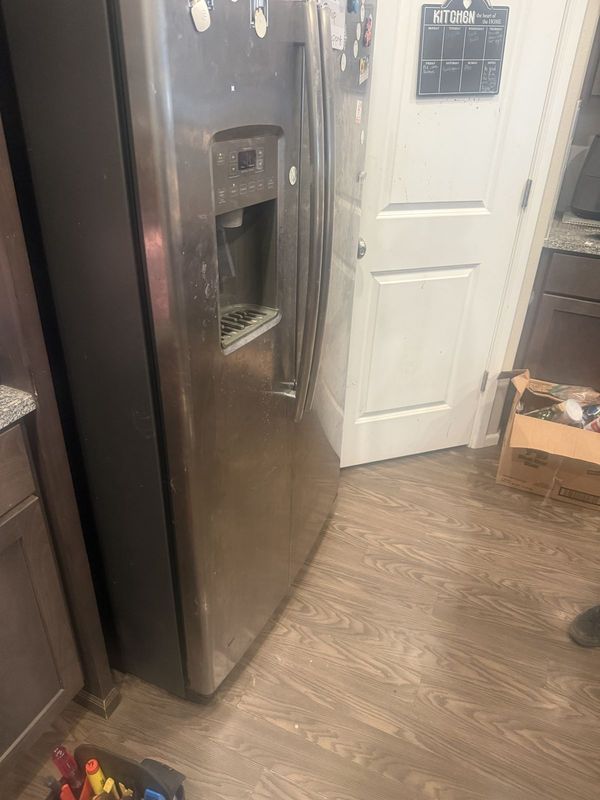
- Refrigerators. Plenty of older Olympia households run a backup fridge down in the basement or out in the garage. We test defrost heaters, evaporator fans and door gaskets that soften in damp air, and a unit that is warming gets first call on the schedule.
- Washers. On front-load machines, soft McAllister water plus a heavy detergent hand means suds locks, slow drains and mildewed door boots. Top-loaders from Whirlpool and Maytag add lid switches, worn couplers and drain pumps packed with lint and coins.
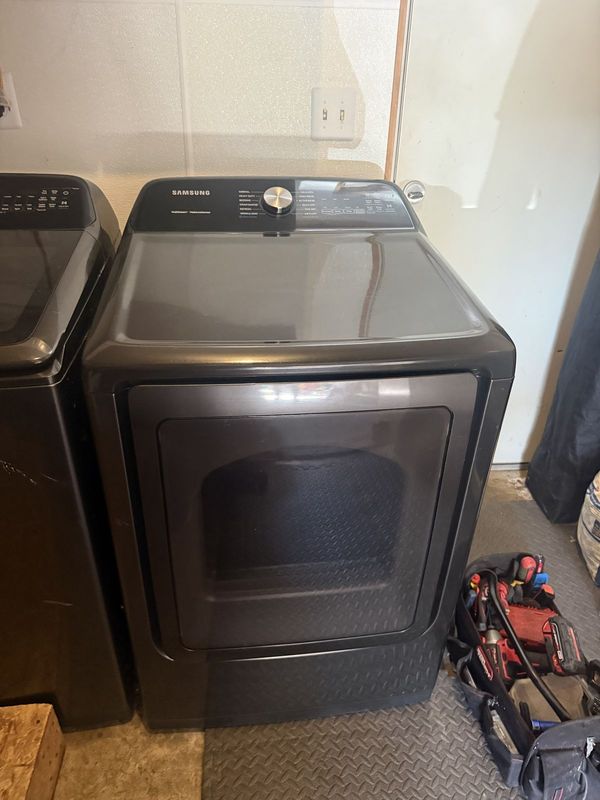
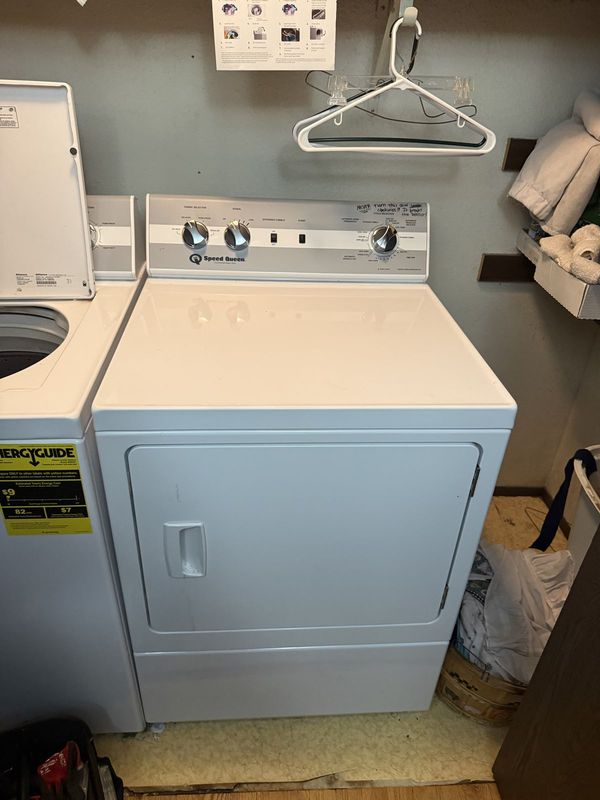
- Dryers. Gas and electric dryers alike struggle with long, damp vent runs in two-story houses. We clear the restriction first, then test the igniter, flame sensor, thermal fuse and high-limit thermostat before anything gets replaced.
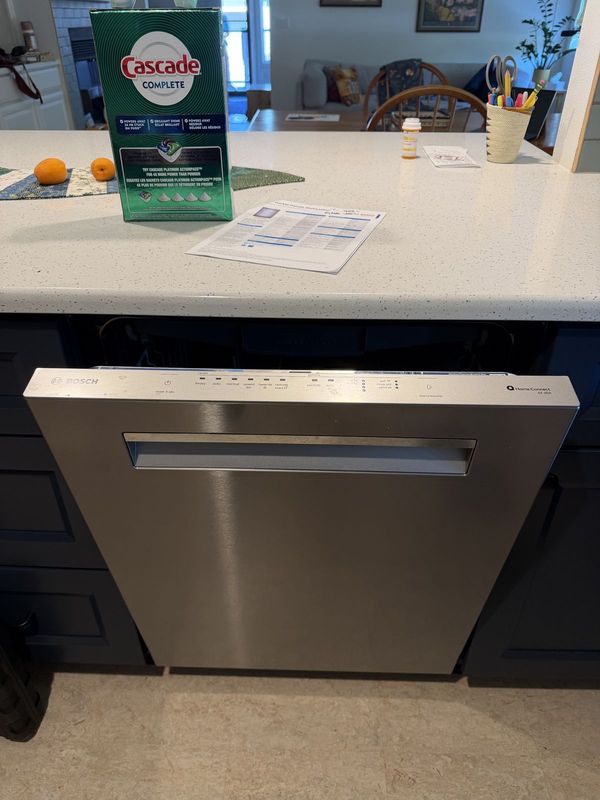
- Dishwashers. Etched glasses and cloudy film usually trace back to detergent overdose on soft water, not a broken machine. The real faults we find are tired circulation pumps, cracked spray arms and float switches stuck with grease.
- Ovens and ranges. Gas cooking is everywhere in older Olympia kitchens. Weak bake igniters stretch preheat times and burner igniters click without lighting, while on electric ranges a split bake element or failed oven sensor shows up as uneven baking.
- Ice makers. Soft water keeps fill valves fairly clean, so Olympia ice maker calls tend to involve a fill tube that froze shut, a stalled auger motor or a chopper door that no longer seals and lets warm air in.
Book a repair in Olympia
One fixed quote after diagnosis. $97 diagnostic, applied to the repair if you go ahead.