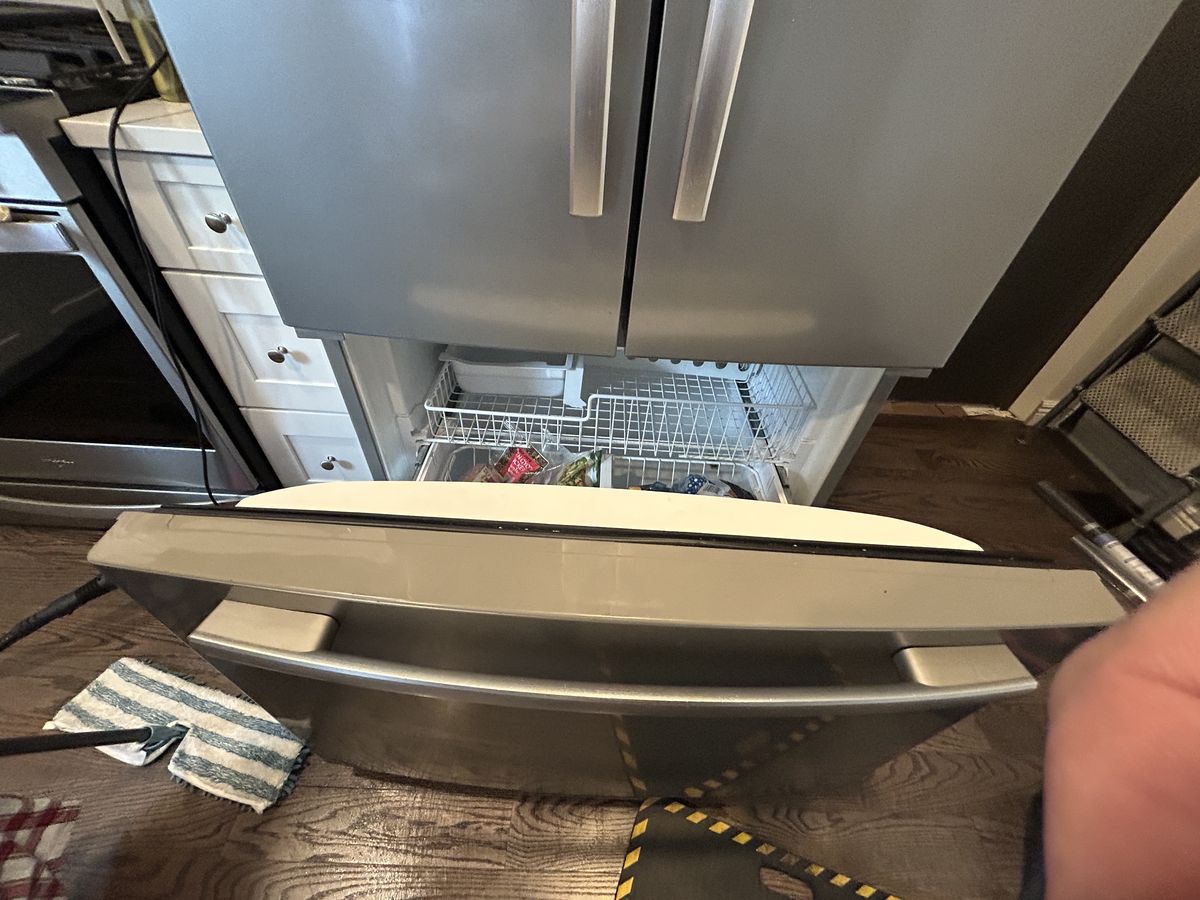
When the late-September windstorm swept through, the Puget Sound Energy outage map showed tens of thousands of dark accounts, clustered mostly across the southern half of the county beyond Olympia. If you were one of them, you probably spent part of it staring at a closed freezer and doing math. Outages are a fall and winter fact of life here, and losing a season's salmon, a side of beef or bags of summer berries is mostly preventable. The rules are simple once written down: know the hold times, keep the doors shut, measure instead of guessing, and check the appliance when the lights come back.
Hold times: four hours, one day, two days
With the doors kept closed, a refrigerator keeps food safe for about 4 hours after the power goes out. A full freezer holds a safe temperature for about 48 hours, and a half-full freezer for about 24. Those figures come from food-safety guidance and assume the doors stay shut the entire time. Every opening trades cold air for warm, and the clock speeds up. The fuller the freezer, the longer it holds, because a tight mass of frozen food keeps its neighbors cold. A freezer with a few lonely packages rattling around loses ground fast.
The line that decides what to keep is 40°F. Perishable food, including meat, poultry, seafood, milk, soft cheeses, eggs and cooked leftovers, that has been above 40°F for more than 2 hours should be thrown out, no matter how it looks or smells. That rule is why the refrigerator side is the bigger worry in a long outage. Four hours goes quickly, and an evening outage that runs past midnight can carry the fresh-food compartment over the line before anyone wakes up. Plan around the refrigerator first and the freezer second, and you will save the most food.
Getting ready while the power is still on
A few habits make an outage far easier to judge. Put an appliance thermometer in the refrigerator and another in the freezer, so afterward you are reading numbers instead of guessing. Keep the freezer as full as practical; in a half-empty freezer, fill the gaps with jugs of water, leaving room at the top for expansion. Freeze a few small containers of water that can move into the refrigerator or a cooler when the power fails. Know where your coolers are, and keep a flashlight in a kitchen drawer rather than out in the garage.
Then make a coin cup. Freeze a cup of water solid, set a coin on top of the ice, and leave it in the freezer. If an outage happens while you are away, the coin tells the story when you return: still on top means the freezer stayed frozen; sunk partway or to the bottom means the contents thawed and refroze, and frost on the packages tells you nothing. For garage freezers, check whether the outlet is a GFCI type with test and reset buttons. A surge or a damp garage can trip it on its own, leaving the freezer off long after the grid comes back.
The first hour after the lights go out
Resist the urge to check. Each look costs cold air you can't replace until power returns. If you expect a long outage, make one quick, planned trip: move the dairy, meat and leftovers you will want soon into a cooler with ice, and consolidate the freezer so packages sit tight together. Then close both doors and leave them closed. A note taped to the handle helps when there are kids or guests in the house. If the plugs are easy to reach, unplug the refrigerator and freezer to spare them the surges and flickers that often come with restoration.
A generator belongs outside, set far from any door, window or air intake, and never in the house, an attached garage or a carport that shares air with the home; its exhaust carries carbon monoxide, which can kill within minutes. Connect the freezer to it with an outdoor-grade, heavy-gauge cord sized for what the freezer draws. Backfeeding the house by plugging a generator into a dryer receptacle or wiring it to the panel is dangerous; that connection requires a transfer switch put in by a licensed electrician. And when the outage ends, remember to plug the refrigerator and freezer back in.
Where our crew works
Tap a town on the map to open its page. Our crew covers Olympia, Lacey, Tumwater, Yelm, Tenino and Rainier.
Keep, cook or toss: sorting the food afterward
When the power returns, read the thermometers before anything else. If a frozen package still shows ice crystals, or your thermometer puts it at 40°F or colder, it is safe to return to the freezer, although berries and fish may come back a little softer. Meat that has thawed but stayed no warmer than 40°F can go straight into the pan, and the cooked dish can then be frozen. On the refrigerator side, perishables that never rose past 40°F can stay. Anything perishable that spent more than 2 hours above 40°F goes in the trash, and so does food whose history you simply don't know.
Some items are more forgiving. Hard cheeses, butter, condiments like ketchup and mustard, whole fresh fruit and most uncut raw vegetables generally ride out a few warm hours, while soft cheeses, cooked rice and pasta, deli meats, shellfish, cream sauces and egg dishes do not. Never taste food to decide; the bacteria that make people sick don't always change the smell or flavor. When the answer isn't clear, throw it out. A freezer full of game or salmon is painful to lose, which is exactly why the thermometers and the coin cup earn their space.
The restart: surges, flickers and a slow pull-down
Power rarely returns cleanly after a windstorm. Lines come back, drop and come back again, and each flicker asks the compressor to restart against built-up pressure. To protect the compressor, a lot of models build in a delay of several minutes before it starts again, so a silent cabinet in the first stretch after the lights return isn't necessarily a failure. Once it is running, expect the refrigerator to need most of a day to pull both compartments back down, longer if it is packed with food that warmed. Keep the doors closed during that time and check the thermometers before restocking.
Watch for signs that something didn't survive. A refrigerator that hums, clicks and goes quiet in a repeating cycle often has a damaged start relay or overload. A dark display, a cabinet that runs constantly without getting cold, a burning smell, or a breaker that trips again as soon as it is reset all point to electrical damage. Unplug the appliance and call us rather than resetting the breaker again and again. Discard the ice made in the first cycle after restoration, and if you are on a private well, run the kitchen faucet until the water clears before using the dispenser.
When the freezer doesn't bounce back
Some outage damage appears days later. A compressor that limped through a brownout, a control board weakened by repeated surges or a defrost part that stuck mid-cycle can leave a freezer that never quite reaches 0°F again, or one that warms a little more each day. Our team treats warming refrigerators and freezers as priority calls, and same-day service is available from Tumwater and Olympia east to Lacey and down to Yelm, Rainier and Tenino when the schedule allows. Calls pile up after a big storm, so reach out early; until our technician arrives, keep both doors shut and shift your most valuable food into a cooler or a neighbor's working freezer.
Care tip: Write the hold times on an index card, about 4 hours for a closed refrigerator, 24 for a half-full freezer and 48 for a full one, plus the rule about 40°F and 2 hours. Tape it inside a kitchen cabinet door. In the dark, that card answers the questions that otherwise lead to opening the freezer.
Questions we get about this
Our chest freezer in Yelm was off for about 30 hours. Is the meat still good?
It depends on how full the freezer was and whether anyone opened it. A full freezer kept closed holds about 48 hours, a half-full one about 24. Go package by package. Meat that still holds ice crystals, or that your thermometer shows at 40°F or less, is fine to refreeze or cook. Toss any package that spent over two hours warmer than 40°F, however normal it looks.
Can I set food outside on a cold night during a winter outage?
It's tempting, but outdoor storage is unreliable. Morning sun can warm containers well above the air temperature, afternoons can climb past 40°F even in winter, and animals find food left on porches. A better use of a freezing night is setting out jugs of water to freeze, then packing them into coolers or the freezer to help hold the temperature.
Do I need to reset anything on the refrigerator after an outage?
Usually not; most models restart on their own and return to their last settings. Check the display for an error code, a power-failure alert or a changed temperature setting, confirm that a garage GFCI outlet hasn't tripped, and empty the bin of the first cubes made after power came back. A blank display, or a cabinet still not cold after a full day, is the cue to have it tested.
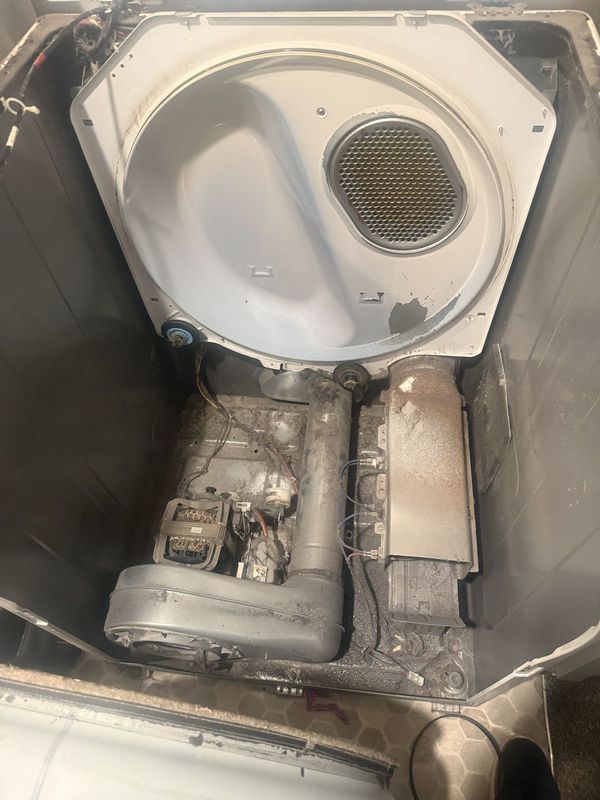
Freezer still warm after the storm?
Warming refrigerators and freezers move up our same-day list when the schedule allows. Diagnosis costs $97. The full amount is credited to the repair when you accept our written quote; decide against the work and the $97 covers everything.