Why a Warming Refrigerator Jumps Ahead on Our Schedule
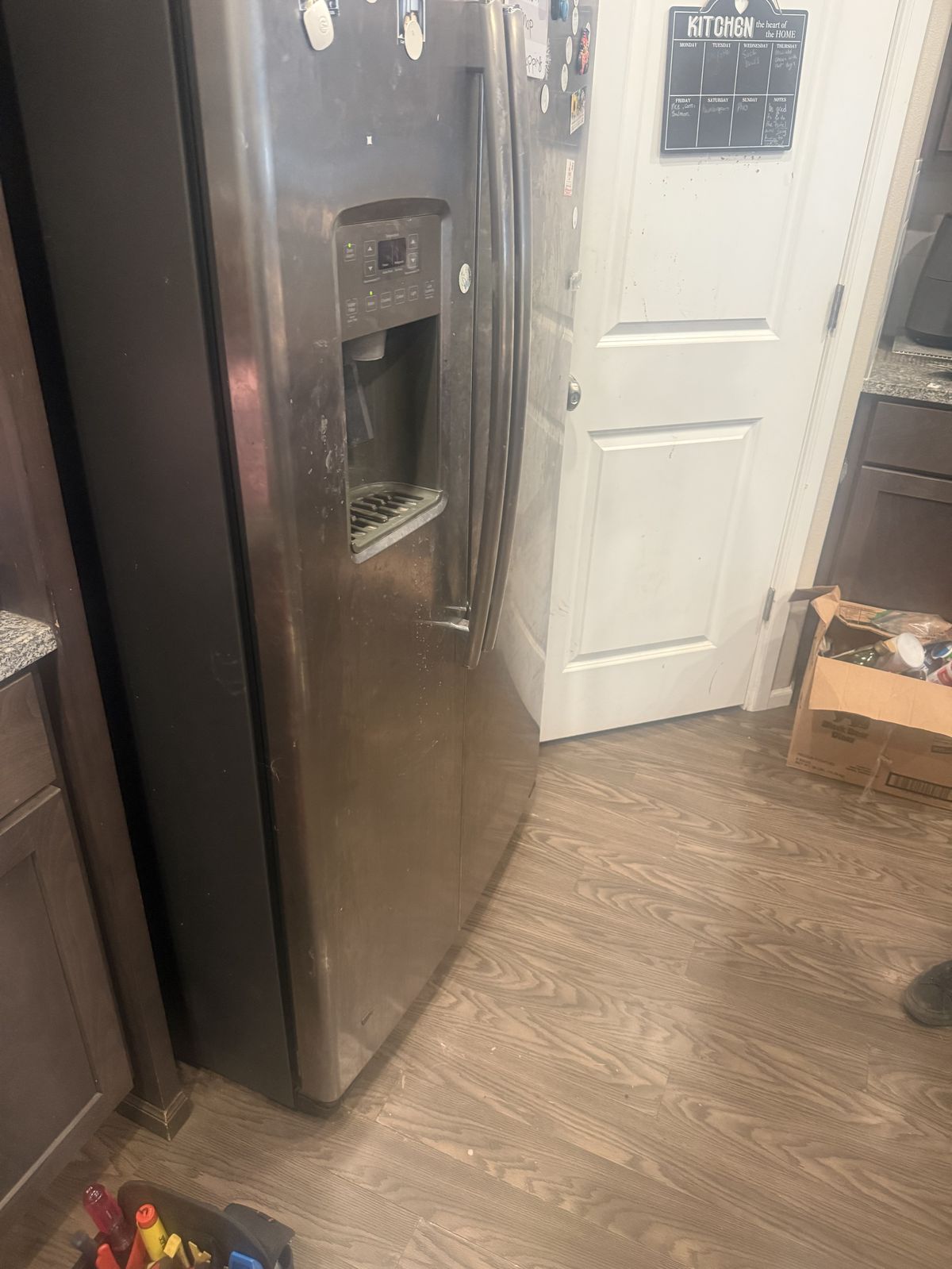
When a refrigerator starts losing its cold, the clock that matters is the one running on the milk, the leftovers and the meat in the freezer. That is why warming refrigerators and freezers get priority on our same-day list whenever the schedule allows. Our technicians cover kitchens and garages in all six of our towns: older top-mount units fitted into Eastside and South Capitol alcoves in Olympia, big side-by-side and four-door French units across Lacey’s newer Hawks Prairie subdivisions, bottom-freezer refrigerators on Tumwater Hill, and the chest and upright freezers holding a season of meat on acreage outside Yelm, Tenino and Rainier. When you call, tell us what a thermometer reads in each compartment, or simply that the ice cream has gone soft, and we send the closest van.
Refrigeration problems leave clues, and our crew reads them before anyone reaches for a screwdriver. How frost has settled across the evaporator, in an even coat or a solid block, says whether defrost is keeping pace or the refrigerant charge is running short. A probe thermometer in each compartment shows whether the freezer is producing plenty of cold that never reaches the fresh-food side, which points toward the evaporator fan or a stuck air damper. An amp reading on the compressor and a resistance check on the start relay separate a tired electrical part from a sealed-system fault. We also look underneath at the condenser coil and condenser fan, since a coil blanketed in dust and pet hair makes every other part work harder. Only once those readings line up do we name the failure and explain the fix.
Our vans carry the refrigerator parts local kitchens burn through fastest: evaporator and condenser fan motors, defrost heaters and thermostats, start relays and overloads, door gaskets, air dampers and water inlet valves. With those on board, a large share of refrigerator repairs in Olympia, Lacey and Tumwater finish on the first stop. Once the cause is confirmed, you get one written, fixed quote for the whole job before any work begins. Some jobs need a control board or a part made for just one model line; in that case we order it, help you plan for keeping food cold until it lands, and come back to fit it without charging for that second drive. Repair terms are written on your invoice, so you know exactly what the work covers when we pack up the van.
Refrigerator and Freezer Symptoms We Track Down
- Fresh-food side warm, freezer cold. A freezer holding at about zero while the fresh-food compartment creeps up into the fifties means cold is trapped. Usually the evaporator fan blows freezer air up a channel to the lower section, so we listen for that fan, meter its motor and see whether the damper opens. Then we pull the freezer’s rear cover to look for a frost-choked coil, a sign that defrost has failed at the heater, thermostat or control.
- Both compartments slowly warming. When a refrigerator is not cooling in either compartment, we start underneath. A condenser fan that has stopped turning, or a coil matted with dust, traps heat and leaves the compressor running hot and tripping its overload. We test the start relay and overload, read compressor current and check line temperatures. A refrigerant leak or a weak compressor shows up in those numbers, and we walk you through that branch carefully.
- Clicking from the back, no hum. A click behind the refrigerator, a minute of silence, then another click is the sound of a compressor trying and failing to start. The start relay or overload protector is the usual suspect, especially after a windstorm outage and the surge that comes when power returns. We test the relay and overload on the bench, measure the compressor windings, and confirm the compressor starts and draws normal current before we close it up.
- Water under the crisper drawers. A puddle beneath the crisper drawers, or ice glazing the freezer floor, almost always traces to a plugged defrost drain. Crumbs or ice block the tube, so meltwater from every defrost cycle collects inside the cabinet and never reaches the pan underneath. Our technician melts the blockage and flushes the line, tests the drain heater or copper strap where the model has one, and makes sure the pan sits square without cracks.
- Frost creeping across the back wall. Frost spreading over the freezer’s back wall or across packages points to damp air getting in or defrost falling behind. Relative humidity here sits around 80 percent much of the year, so a gasket that no longer grips, or a door that stops closing by itself, coats the coil with moisture fast. We inspect the whole seal, the hinges and how the door hangs, then test the defrost heater and thermostat.
- Squealing, buzzing or rattling noises. Noise tells us where to look. A chirp or squeal that gets louder when you open the freezer door is usually the evaporator fan motor, sometimes with its blade brushing ice. A rattle from underneath often comes from the condenser fan or a loose drain pan, and a deep buzz can be a compressor sitting on worn mounts. We isolate each sound with the doors open and closed, then replace only the part making it.
Refrigerator Parts We Test and Replace
- Evaporator fan motor. Behind the freezer panel, this small motor moves air across the cold coil and into the fresh-food side. Its bearings dry out, and the motor squeals, slows or stops. We check voltage at its plug, feel for drag on the shaft, and confirm airflow returns at the fresh-food vents once a new motor is in.
- Defrost heater and thermostat. These melt frost off the evaporator coil several times a day. A heater can burn open, or the thermostat can stop closing, and the coil slowly ices solid. We measure the heater’s resistance, check the thermostat for continuity while it is still cold, and finish by putting the unit into manual defrost to see the coil clear.
- Start relay and overload. The start relay, clipped onto the compressor housing, gives the motor its starting kick; the overload beside it cuts power when the motor overheats. Both can fail after a surge or a hard restart. We meter them, check the compressor windings behind them, and watch the compressor start cleanly before we leave.
- Door gasket. The magnetic seal around each door hardens, tears near the hinge or loses its grip with age. Warm air slips in, frost builds and the compressor runs longer. Paper slips closed in the door at several points show where it leaks; then we fit a new gasket and shim the door so it seals evenly.
- Condenser fan and coil. Under the cabinet, the condenser fan pulls room air across the coil to carry off the heat removed from your food. A seized fan motor or a dusty coil makes the compressor overheat. We clean the coil, check that the fan motor gets voltage and spins without drag, and confirm normal running temperatures afterward.
Where our crew works
Refrigerator Repair across the South Sound, with same-day slots when the schedule allows. Tap a town for its page.
How Local Water, Weather and Outages Affect Refrigerators
Olympia’s municipal supply measures roughly 50 to 60 mg/L of hardness, so inlet valves there rarely scale up. On private wells near Yelm, Tenino and Rainier, iron and manganese plug the fridge filter and the valve’s fine screen, and Lacey has a handful of city wells that test a little over the taste-and-staining limit for both. Moist air, hovering around four-fifths saturation most months, keeps gaskets and defrost circuits working. Garage units get it from both sides: the thermometer at Olympia’s airport touched 110°F in late June 2021, yet roughly 78 nights each year drop below freezing, which can leave a garage too cold for some thermostats to call for cooling. After windstorm outages, including the late-September 2026 storm, we find relays and control boards that failed on restart.
Refrigerator and Freezer Brands We Service
Warranty comes first: if the manufacturer still covers your refrigerator, we will point you to that claim during the call instead of booking a visit. Beyond that window, our technicians work on the refrigerators and freezers found across Thurston County kitchens and garages: Whirlpool, Maytag, KitchenAid and Amana, which share many designs and parts; GE, GE Profile and Café; LG units, French-door and bottom-mount alike; Frigidaire and Electrolux, including many garage freezers; long-running Kenmore units; and built-in Sub-Zero columns and over-under models in custom kitchens. The model number, printed on a sticker inside the fresh-food compartment along a side wall or near the light, lets us bring the right fan, relay, heater or gasket on the first trip.
When to Repair a Refrigerator and When to Replace It
The typical refrigerator breakdown is one worn component, whether that is a fan motor, defrost heater, relay, gasket or plugged drain, and fixing it pays off on nearly any unit with a sound cabinet and a healthy compressor. The decision gets harder when the sealed system is involved, meaning a refrigerant leak or a compressor that no longer pumps. Then we weigh the age of the refrigerator, the condition of its liner, doors and shelves, whether it is a built-in that would need cabinet work to replace, and how well it suits your kitchen. A built-in or panel-ready model often justifies sealed-system work, while a worn, basic top-mount usually does not. We lay out both paths with the readings behind them, and the choice stays yours.
Care tip: Every spring and fall, pull the plug, remove the toe grille and run a brush attachment over the condenser coil and the blade of its fan. Without that dust blanket the compressor sheds heat faster and runs fewer minutes, which counts most for garage units and in warm spells. Restore power and check that both compartments cool.
Service by town
Repair guides
Book refrigerator repair
One fixed quote after diagnosis. $97 diagnostic, applied to the repair if you go ahead.