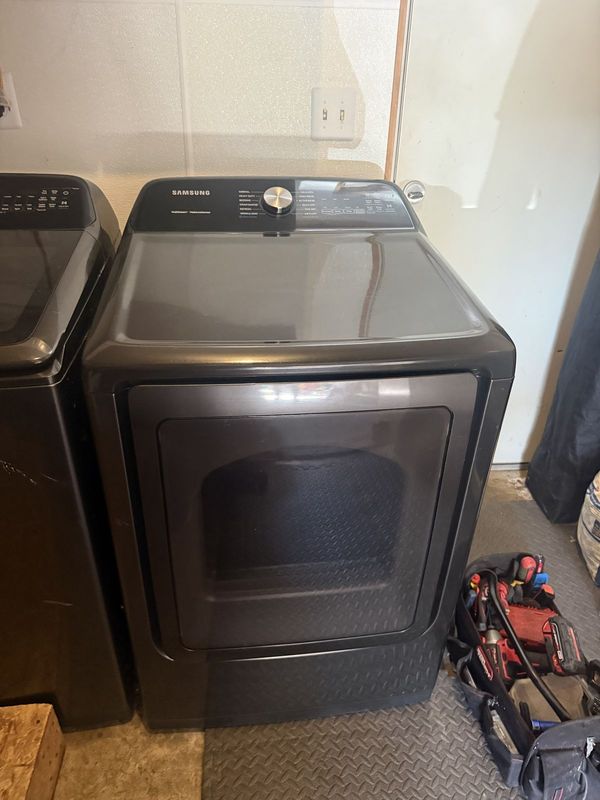
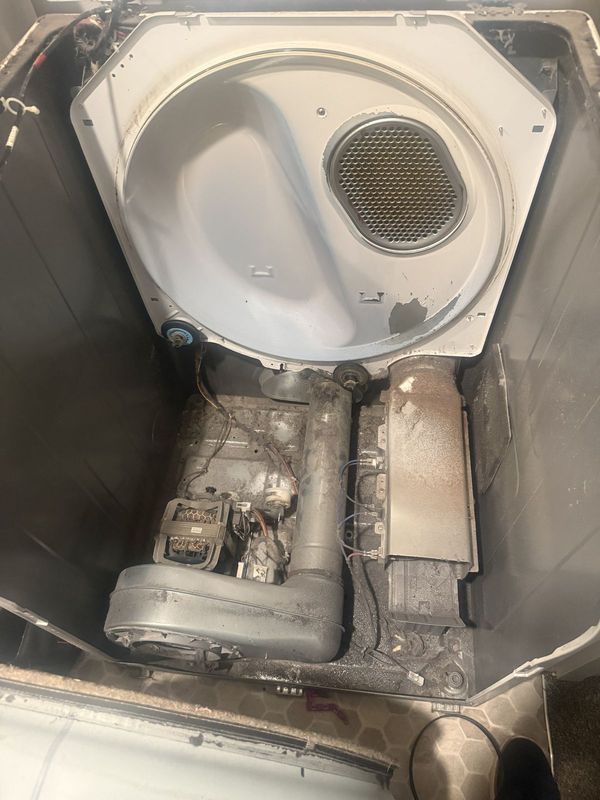
These guides come out of the calls our crew runs across the South Sound, from Westside Olympia ramblers to Hawks Prairie new builds to farm properties on wells outside Rainier. Each one takes a symptom we see often, explains the parts behind it and points out the local factors that make it more likely here: soft city water and overdosed detergent, iron from private wells, long dryer vents through damp crawlspaces, and windstorm outages that hit freezers hard. Where a check is safe to do yourself, we walk through it, always with the power off first. Where a job belongs to a technician, such as gas lines, refrigerant or control boards, we say so plainly and explain why.
Refrigerators
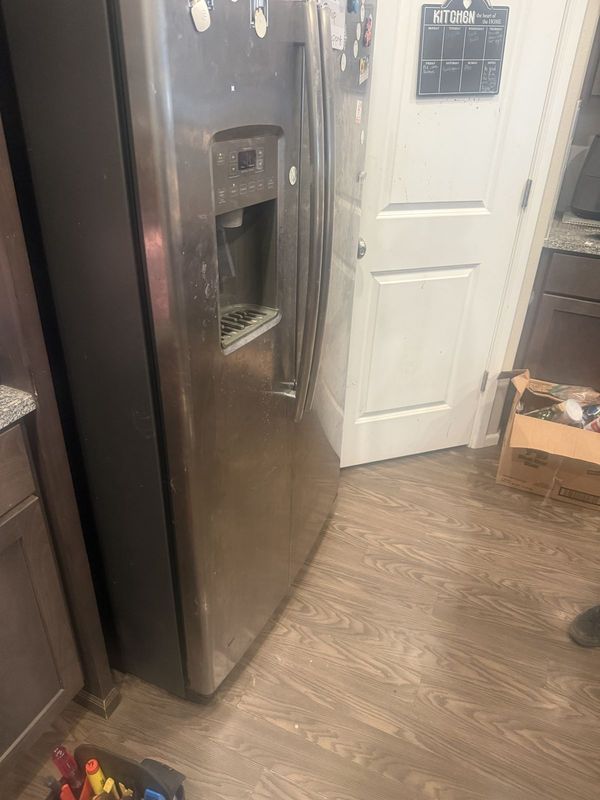
Cooling problems, interior condensation, worn door gaskets and the filter trouble that private-well iron brings with it.
 6 min read
Refrigerator Sweating and Condensation in Olympia
Beads on the doors, fog on the shelves and a puddle under the crisper each point to a different part. Here is how to read the water.
Read the guide →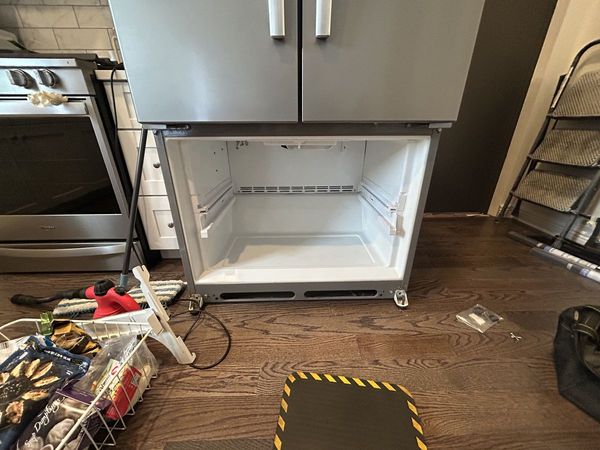 6 min read
Refrigerator Door Gasket Replacement: Tests and Signs
A worn door seal rarely makes noise. It shows up as frost, fog and long run times. Learn the paper test and what a replacement involves.
Read the guide →6 min readWell Water Refrigerator Filters in Thurston County
Iron and grit from rural wells clog fridge filters, inlet valves and fill tubes. What changes on a well, and how to stay ahead of it.
Read the guide →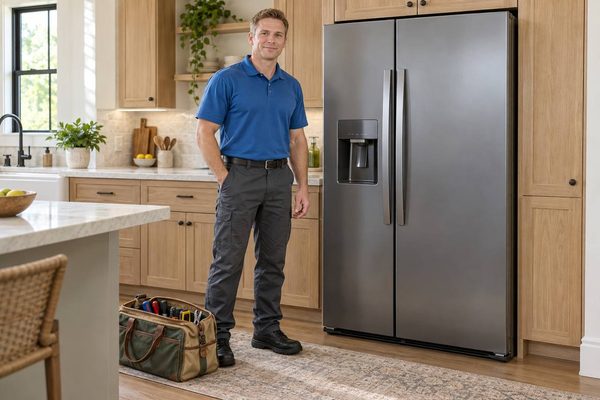 6 min read
Refrigerator Not Cooling? Safe Checks for Olympia Homes
Fridge warm but freezer cold, or both going soft? Sort the symptom, run a few safe checks, and learn which signs mean a technician should test it.
Read the guide →Freezers
Freezers that warm while the fridge stays cold, and how to protect stored food through a windstorm outage.
6 min readFreezer Warm but Fridge Cold: What the Split Means
When the freezer softens but the fresh-food side holds, the suspect list gets short: garage cold, airflow, door seals or a weakening system.
Read the guide →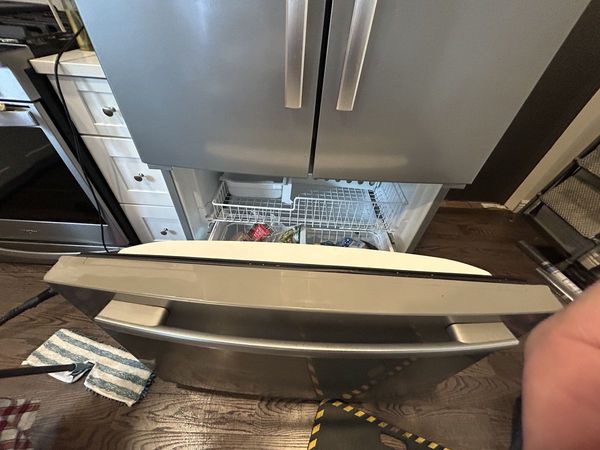 6 min read
Windstorm Power Outage Freezer Guide for Thurston County
A closed fridge holds about 4 hours, a full freezer about 48. Hold times, keep-or-toss rules and restart checks for South Sound outages.
Read the guide →Dryers
Heating faults, misreading moisture sensors, stacked units and outside vent hoods choked by rain, moss and fir needles.
 6 min read
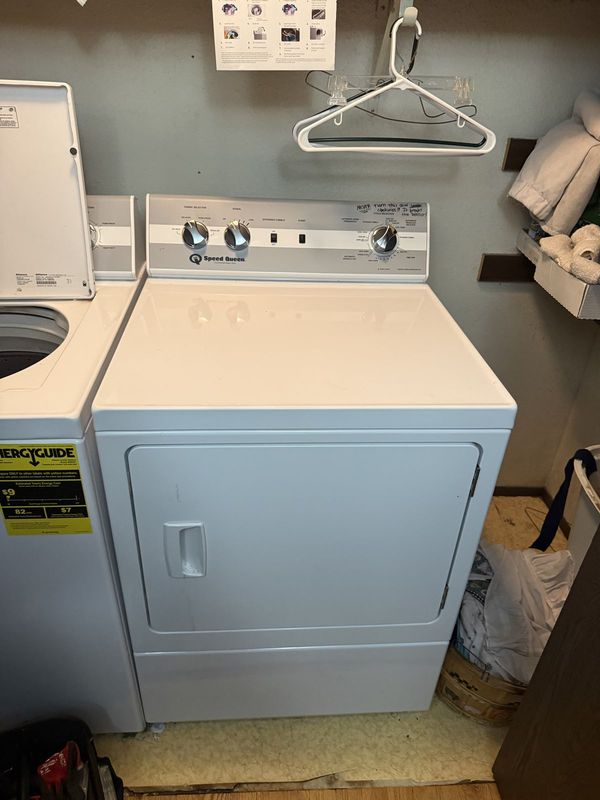
Dryer Moisture Sensor Problems: Damp Loads or Endless Runs
Damp towels at the buzzer, or an auto cycle that never quits? Two small metal bars inside the drum usually explain it, and cleaning them takes minutes.
Read the guide →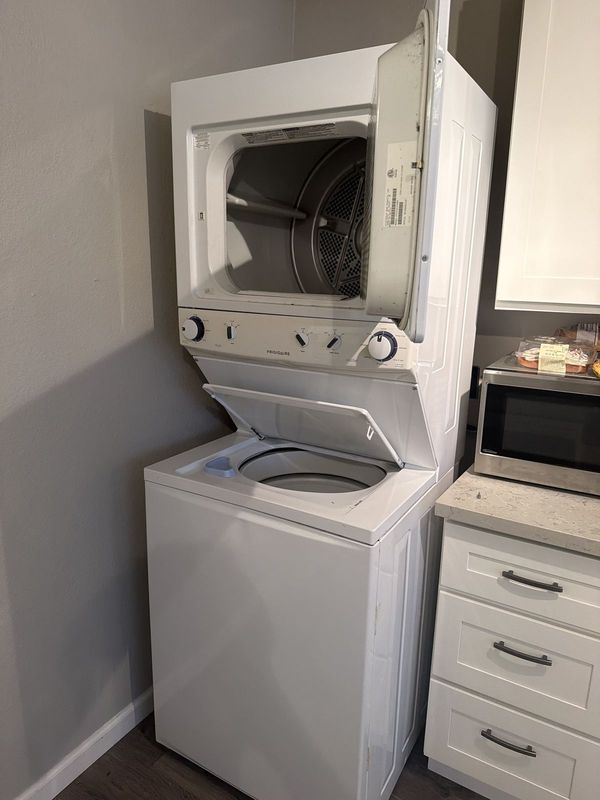 6 min read
Stacked Washer-Dryer Repair: What Fails in Closet Towers
Washer below, dryer above, inches to spare. Why stacked towers shake, leak out of sight and overheat, and how we open them up safely.
Read the guide →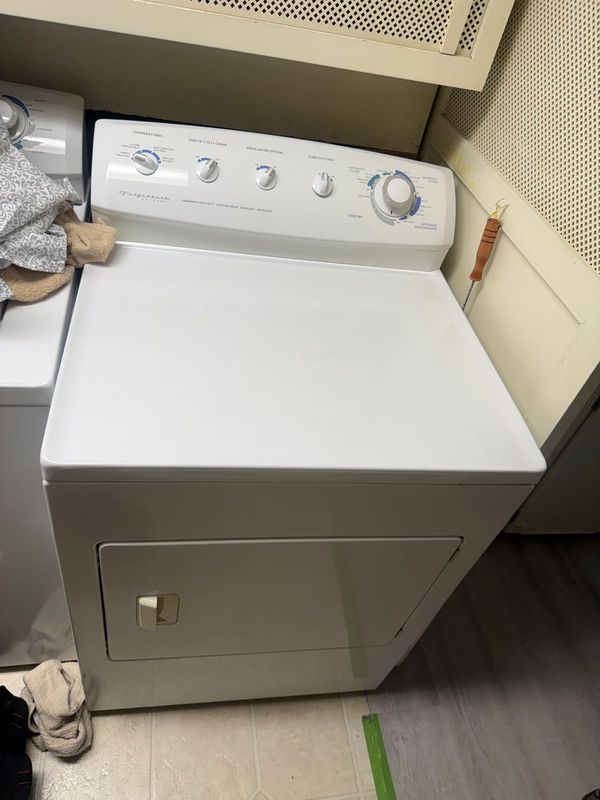 6 min read
Outside Dryer Vent Flap: Rain, Moss and Nests in Olympia
The last foot of your dryer vent sits outdoors through about fifty inches of rain a year. Here is how moss, needles, lint and birds jam the flap.
Read the guide → 6 min read
Dryer Not Heating? Gas, Propane and Electric Checks
The drum turns, the clothes stay cold. Here is how gas, propane and electric dryers lose their heat, why the vent is often involved, and what to check.
Read the guide →