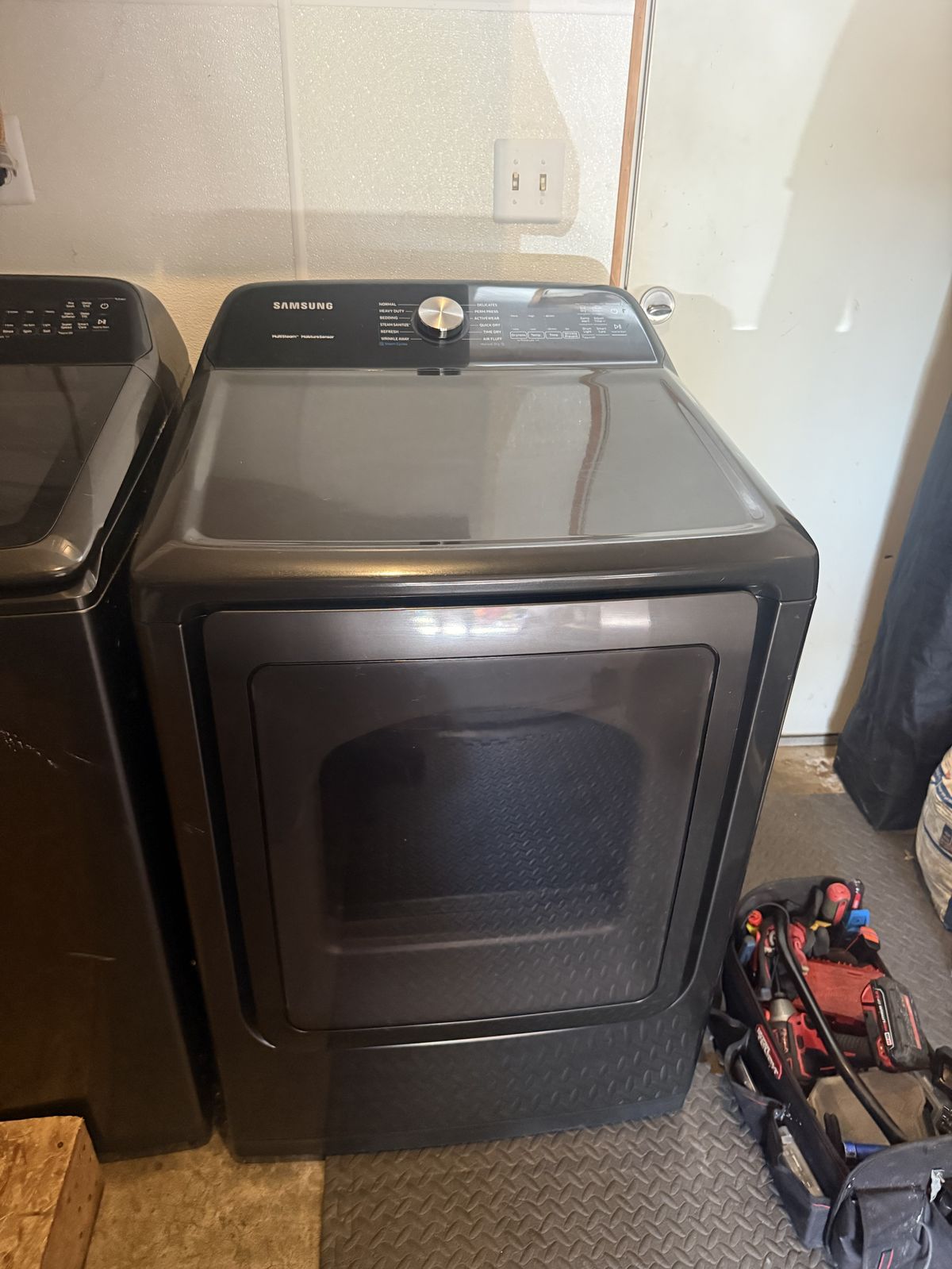
Past the end of the city sewer lines, every load of laundry drains into a tank in the yard. Septic systems are common across rural Thurston County, from acreage along SR 507 near Yelm to small farms outside Tenino and Rainier, and the washer is one of the largest single sources of water those systems receive. Most of these homes also draw from private wells, so the water going into the machine differs from what city homes in Olympia get. A few habits, plus a washer kept in good repair, make life easier for the machine and the drainfield alike.
What a septic tank does with a wash load
A septic tank is a settling basin. Solids sink, grease and lint-laden scum float, and bacteria break down what they can while clearer water flows out to the drainfield, where the soil finishes the treatment. The system handles a steady, moderate flow far more comfortably than a flood. A washer draining a full tub at once, several times in a row, pushes water through faster than the tank can settle it, and fine solids and lint get carried out toward the field. Soil that clogs with that material drains more slowly year after year. We repair washers, not septic systems, so pumping and drainfield questions belong with a septic professional.
Dosing detergent for well water, not the cap line
Detergent caps are sized generously, and overdosing causes trouble at both ends of the drain hose. In the washer, too much soap leaves residue in clothes, coats the door boot and dispenser, and forces extra rinses. In the tank, heavy loads of surfactant and filler mean more work for the bacteria. Use HE detergent in HE machines, start at the low end of the dosing chart and adjust from there. Liquid detergent is a common choice on septic because some powders contain fillers that do not dissolve fully. Pods work, but they deliver a fixed dose, which can be far too much for a small load.
Your water decides the right amount, and that is where rural homes differ from town. Olympia's city water is soft, around 50 to 60 mg/L, and needs very little detergent. Private wells vary widely. Some run soft and some harder, and plenty of wells across the county's unincorporated areas pull up iron and manganese, the source of the orange or brown stains that turn up in tubs and on white laundry. Harder water may need a bit more detergent to clean well, while soft water needs less. A simple water test tells you where you stand. On iron-heavy water, go easy on chlorine bleach, which can set rust stains into fabric instead of lifting them.
Bleach, softener and the sanitize-everything habit
Ordinary amounts of chlorine bleach are heavily diluted by the time they reach the tank, and occasional use is generally fine. The trouble comes from habits that stack up: bleach in every load, a daily sanitize cycle, antibacterial additives on top and a heavy hand with fabric softener. Each one is aimed at killing or coating, and the tank depends on living bacteria. Save bleach for whites and real sanitizing needs, and use softener sparingly or skip it. If towels come out stiff, try a smaller detergent dose first, since leftover residue is a common cause. A monthly washer-cleaning cycle is fine; disinfecting every load is the pattern to avoid.
Where our crew works
Tap a town on the map to open its page. Our crew covers Olympia, Lacey, Tumwater, Yelm, Tenino and Rainier.
Spacing loads across the week
A single marathon laundry day, with load after load running back to back, sends more water into the tank in a few hours than it would otherwise see in a day or two. Spreading the same laundry across the week, one or two loads a day, gives the tank time to settle between surges. Running the washer apart from the dishwasher and long showers helps as well. Front-load washers and HE top-loaders generally use less water per load than older agitator machines, which is one reason many septic households choose them. Full loads, rather than many half loads, also cut down the number of drain cycles.
Season matters around here. Rainfall in this part of the county runs near 50 inches annually and peaks in November, and ground that is already saturated accepts drainfield water more slowly. Through the wettest stretch of fall and winter, spacing loads counts for more than it does in July, the driest month. Watch for warning signs: soggy or unusually green patches over the drainfield, sewage odor in the yard, gurgling drains, or washer water backing up at the standpipe or laundry sink. Any of those calls for a septic professional first, then a look at the washer's drain once the system is sorted out.
Catching lint before it leaves the house
Every wash sheds fibers, and many modern fabrics are synthetic, so that lint does not break down. It is fine enough to stay suspended in the tank and travel out to the drainfield. An inline lint filter on the washer's drain hose, or a filter fitted where the hose empties into a laundry sink, catches much of it. The catch is upkeep: a filter that fills up restricts drainage, and the washer's drain pump has to push against it, which can lead to slow drains, error codes or water backing up at the standpipe. Clean it on the schedule its maker gives, or more often for a big household.
Front-load washers already have a pump filter, sometimes called a coin trap, behind a small door at the bottom front. It catches coins, hair ties and buttons rather than fine lint, and it needs cleaning every few months. Unscrew it slowly over a shallow pan, since water will come out, and seat it firmly afterward; a cap left loose is a frequent source of leaks. When we are at the house for a washer repair, we are glad to look over an inline lint filter setup and the drain hose route at the same time, so the pump is not fighting a restriction.
Washer faults that quietly strain a drainfield
Two ordinary washer problems matter more on septic than in town. The first is an inlet valve that seeps. With the washer off, a small trickle keeps running into the tub and out the drain, day and night, adding steady water to the tank. Listen for a faint hiss at the machine when nothing is running, or look for water in the tub of an idle top-loader. The second is a siphoning drain hose. If the hose is pushed too far into the standpipe, or sealed into it with tape, it can siphon water out while the washer fills, so the machine fills and drains endlessly.
Oversudsing belongs on the list too, since foam surges carry soap residue downstream and can trigger suds pauses and longer cycles. On a septic visit, our technicians check the inlet valve for seepage with the machine at rest, confirm the drain hose height and air gap, look at the pump and its filter, and talk through dosing for your water. A washer still inside its maker's warranty should go to the manufacturer first. Otherwise you get one written quote before work starts, and since common valves and pumps ride along in our van, most of these repairs wrap up in a single trip.
Care tip: Once a month, with the washer off and the house quiet, stand next to the machine and listen. A faint hiss, or water slowly appearing in an idle tub, means the inlet valve is seeping toward the drain. Turn off the supply valves and book a repair before the trickle adds up in the tank.
Questions we get about this
Do I need a septic-labeled detergent for my washer?
Not necessarily. Most mainstream HE liquid detergents are fine for septic systems when used at the right dose, and the dose matters more than the label. Measure for the load size and your water, watch for suds that linger after the final rinse, and cut back if you see residue. Avoid powders that leave grit in the dispenser, and skip boosters unless a load truly needs one.
Is a front-load washer better for a home on septic?
Front-loaders and HE top-loaders generally use less water per load than older agitator machines, which helps a septic system by reducing the volume in each drain. They are also more sensitive to overdosing, so they reward careful measuring. If your current washer runs well, repairing it and spacing loads may be all you need. If it is old and leaking or seeping, we can compare repair and replacement in writing.
How can I tell if my washer is leaking water into the tank while it's off?
Check an idle top-loader for water slowly collecting in the tub, or open a front-loader's door after it has sat for hours and look for water in the drum or a wet door boot. Put an ear near the machine and listen for a hiss. If your well pump kicks on now and then with nothing running in the house, a seeping valve or a running toilet is the likely suspect.
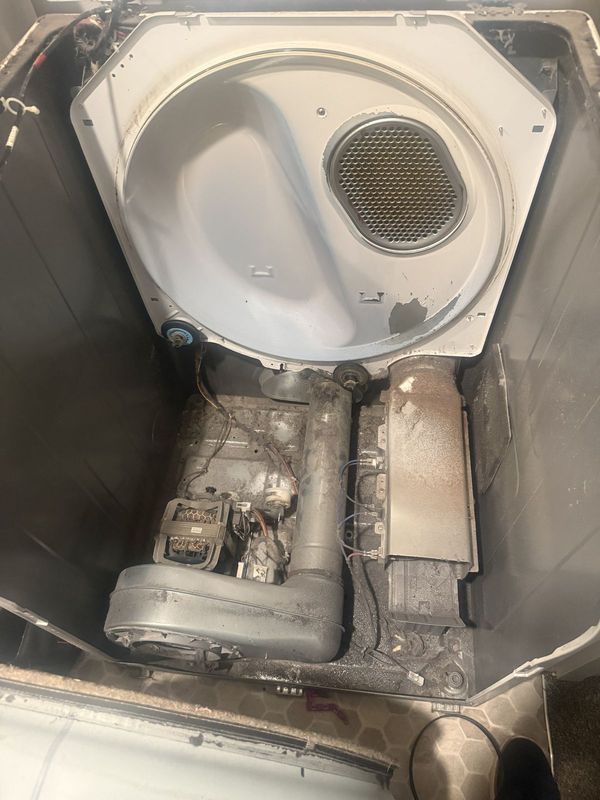
Washer seeping, sudsing or draining slowly on septic?
We test valves, drains and pumps with your septic system in mind. A $97 diagnostic starts the visit; go ahead with the work and all of it is applied to the repair, or pass and owe nothing more.