Washing machine repair in Olympia, matched to the house
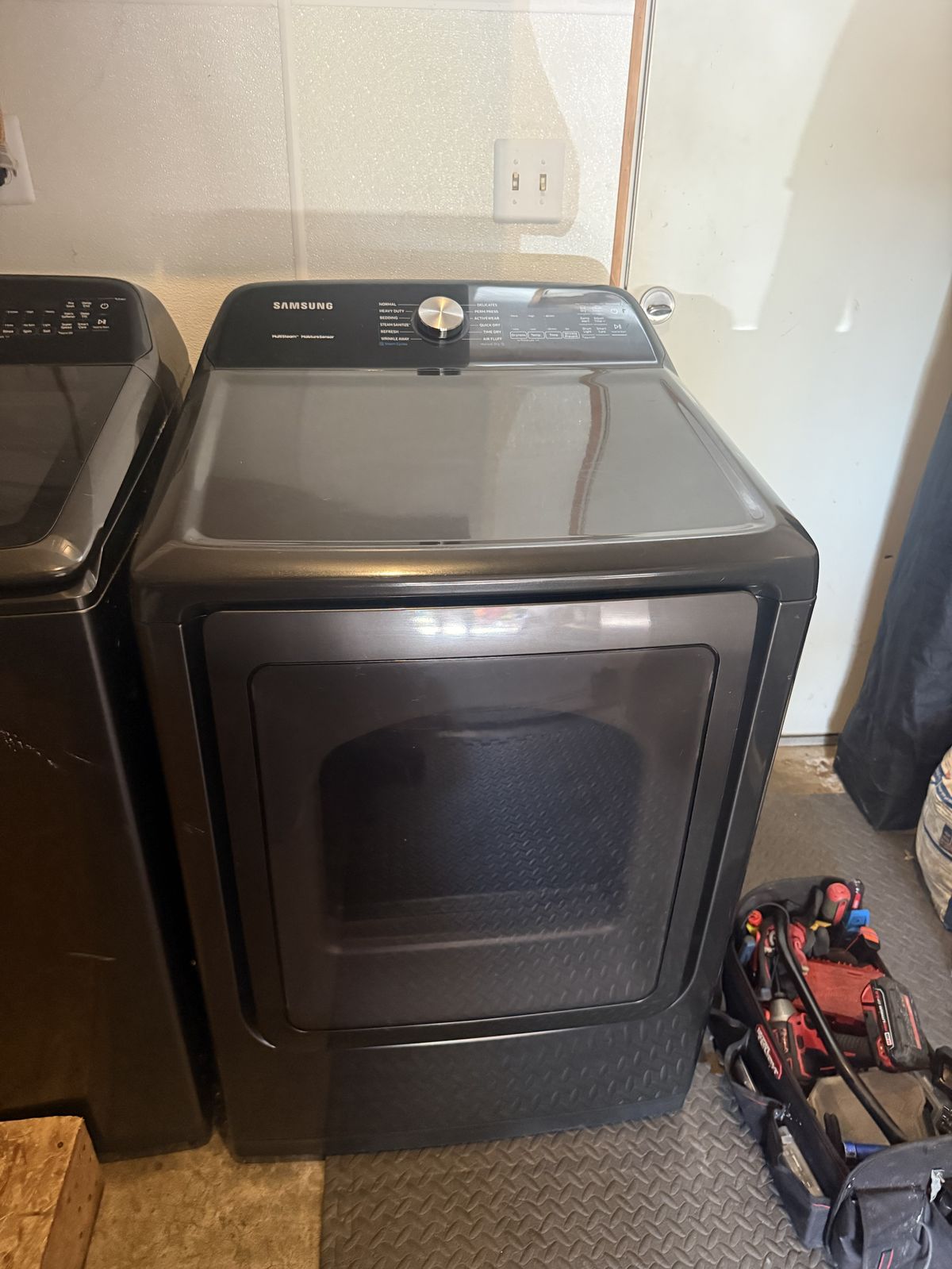
Laundry in Olympia happens in some unusual places. In older houses the machine sits down in the basement next to a concrete utility sink and a standpipe built long before modern drain pumps; ramblers usually give it a garage corner or a closet off the hall; in downtown condos a compact stacked pair hides behind louvered doors. Where the machine lives changes how it fails. A basement front-loader on an uneven slab walks during spin and wears its suspension early. A closet stack has nowhere for a small leak to go but the ceiling below. So when our technicians arrive, we look at the setup before the machine: drain height, hose age, how level the cabinet sits, and whether the outlet and shutoff valves are original to the house. Then we run a test cycle and watch for the exact moment it goes wrong.
Our crew repairs front-load, top-load and high-efficiency washers, stacked washer-dryer pairs and one-piece laundry centers. The brands we open most often in Olympia are LG, Whirlpool, Speed Queen, Maytag, GE, Samsung, Frigidaire, Kenmore, Miele and Electrolux. Typical repairs include drain pumps, inlet valves, door boots, lid switches, front-load door locks, shift actuators, drive belts, couplers, suspension rods, shock absorbers and tub bearings. Many of those parts ride on the van, so a common washer repair can finish during the first visit. Parts that need ordering get installed on a return visit we book with you, and that second trip carries no extra charge. Same-day service is available when the schedule has room, and a washer stuck full of water gets moved up as far as the route allows.
What soft McAllister water does to washers
Olympia’s city water is soft, around 50–60 mg/L, and that is mostly good news for a washer: inlet screens and valves rarely scale up. The catch is detergent. Soft water lets soap foam far more than the bottle’s dosing line assumes, and high-efficiency front-loaders react to oversudsing by pausing, adding rinses or throwing a suds code. That leftover film becomes mildew food inside the door boot, and Olympia’s air, near 80 percent humidity much of the year, keeps it growing. Older homes add their own factors: rubber fill hoses that have hung on the valves for decades, a standpipe too short for a modern pump, and a basement that never fully dries out between November rains. Homes on a private well can also see iron sediment in the inlet screens.
Washer calls across Olympia neighborhoods
- Northeast and Bigelow. In these bungalows the washer usually lives downstairs on bare concrete, next to an aging utility sink. Standpipe height gets measured first, since a hose shoved deep into a short pipe can siphon water away while the tub is still filling. A front-loader on that floor also needs careful leveling to protect its tub bearings and shock absorbers.
- Westside and Goldcrest. Ramblers on the Westside and in Goldcrest usually put the washer in a garage or a hallway closet. Garage machines face cold winter mornings, and hoses near an exterior wall can stiffen and crack. We swap brittle rubber fill hoses for braided lines on request, test the inlet valve and clear lint from the drain path.
- Southeast Olympia (Forest Hills, Holiday Hills). Laundry rooms in these 1950s to 1970s subdivisions were sized for the top-loaders of their day. Modern wide front-loaders on pedestals can crowd the plumbing box and pinch hoses against the wall. We pull the machine out, check for kinks and confirm the hot and cold valves still shut off completely before testing the washer.
- Downtown and Percival Landing. Condos near Percival Landing often run stacked or compact washers in closets, sometimes directly above a neighbor. A slow leak here is a building problem, not just a laundry problem. We check the drain hose connection, the door boot and the pump housing closely, and we work carefully in tight closets to avoid scuffing finished walls.
Where our crew works
We cover all of Olympia, from South Capitol, Eastside, Westside and Goldcrest, Northeast and Bigelow to the streets between. Tap a town on the map for its page.
Washer problems common in Olympia
- Suds overflow on soft city water. When a front-loader stalls partway, flashes a suds code or leaves foam behind, the usual cause is a heavy hand with detergent in soft Olympia water. We make sure the drain pump and pressure sensor work, run a rinse to flush the residue and suggest a lighter dose matched to your tap water.
- Musty door boot after rainy weeks. A sour smell and black specks in the front-loader door boot come from detergent film and moisture with nowhere to go during a long wet stretch. We clean the boot folds, check the drain pump filter, inspect the outer tub for buildup and look for a torn boot that holds water. A split boot gets replaced.
- Basement standpipe siphoning the fill. If the tub never quite reaches its level, or water slips down the drain during the fill, the hose may be pushed so far into an old basement standpipe that it siphons. We check hose height and standpipe size, then test the inlet valve and water level sensor so we know the fill itself is normal.
- Leak spreading on an old laundry floor. A puddle under the washer in an older Olympia house might start at an aging fill hose, a split pump body, a ripped door boot or a tub seal on its way out. We dry the floor, pull the panels, run water in and out and follow the first drip to its origin before quoting.
- Rambler top-loader hums, will not spin. A garage top-loader that hums at the end of the wash but never spins usually has a failed lid switch, a worn drive belt or motor coupler, a jammed drain pump or a shift actuator that did not move. We test each in that order and check the lid lock on newer high-efficiency models.
What happens when we come out for a washer
Before we arrive, note the cycle and any error code, and leave the water in the drum if the washer stopped full. Our technician checks hoses, valves, the drain path and the outlet, then runs a diagnostic cycle and opens the cabinet to test the suspect part. You get a single written quote with the price fixed before anything is replaced. The diagnostic is $97. Move ahead with the repair and we deduct the whole $97 from its price; decline, and $97 is the total you pay for that visit. Pumps, valves, belts, lid switches and door locks often ride on the van, so one visit finishes many jobs. Ordered parts get a return visit with no added trip charge.
Fixing an older washer or moving on
Most washer faults we find in Olympia, such as a pump, a valve, a door boot, a belt or a lid lock, are worth fixing on a machine with a sound tub and quiet bearings. Bearing failure is the real fork in the road: the tub roars during spin, and the repair means taking the machine down to the outer tub. On an older washer that labor can tip the decision toward replacement, and we will tell you so plainly. A washer still inside its manufacturer’s coverage gets flagged at the very start, because a claim through the maker may be the better path.
Care tip: Measure detergent for Olympia’s soft water, not for the line on the cap. Start with about half the suggested amount, then adjust until the wash comes out clean and the final rinse shows no foam. After the last load, leave the front-loader door and the detergent drawer open so the boot can dry.
More repairs in Olympia
Same repair nearby
Repair guides
Book a repair in Olympia
One fixed quote after diagnosis. $97 diagnostic, applied to the repair if you go ahead.