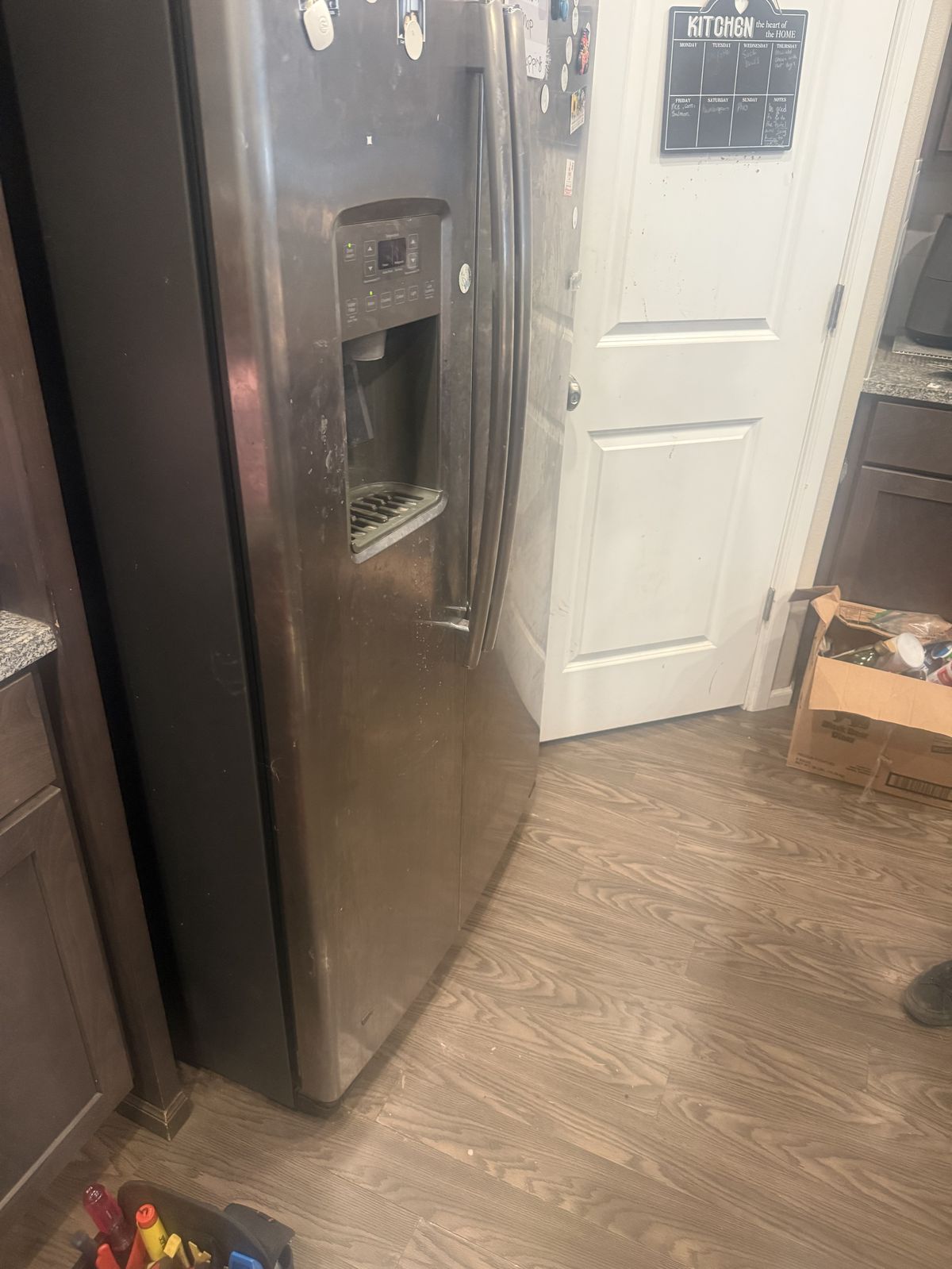
Put the same refrigerator in a downtown Olympia condo by Percival Landing and on five acres outside Tenino, and the two will not age alike. The condo's ice maker drinks soft, treated city water that barely troubles the filter. The rural one draws from a private well that may carry iron, manganese and fine sediment, and every bit of it lands first on the smallest openings in the house, many of them inside the refrigerator. If your kitchen runs on a well, the filter schedule printed on the box is a starting guess, not a rule.
City water, community systems and private wells
Olympia leans on the McAllister Wellfield for most of its supply, and with hardness near 50–60 mg/L that water is gentle on refrigerator plumbing. Lacey pumps from roughly 20 municipal wells whose water falls anywhere between soft and moderately hard, and a handful of them nudge past the aesthetic benchmark set for iron and manganese, which is why some Lacey kitchens notice faint staining. Tumwater's wellfields deliver soft to moderate water. Yelm's city water comes from three wells, two shallow ones off 2nd Street and a deep well off Tahoma Boulevard, treated with chlorine and pH adjustment.
Then there is everything beyond the city lines. Clearwood, the lake community near Yelm, has its own community water department. Rural acreage around Yelm, Tenino and Rainier, the Littlerock Road corridor on Tumwater's rural edge and the county roads in between mostly rely on private wells. Out in the unincorporated county, that well water often brings iron and manganese along with it. Each well has its own chemistry, and two homes a short walk apart can see very different results. That is why our technicians ask “city or well?” on every water-related refrigerator call before a single panel comes off.
What iron, manganese and grit do inside a refrigerator
A refrigerator's water path is a chain of narrow passages: a screen at the inlet valve, the valve's own seat and diaphragm, the filter cartridge, small-diameter tubing, the fill tube that feeds the ice mold, and the dispenser nozzle in the door. Fine sediment collects on the inlet screen first and slowly chokes the flow. Grit that slips past the screen can hold the valve seat slightly open, so the valve weeps a little water after it should have shut. In the freezer, that weep freezes inside the fill tube, and the ice maker goes quiet even though nothing is wrong with the ice maker itself.
Iron and manganese work more slowly. Dissolved iron turns into rust-colored particles that tint ice cubes and leave an orange film along the dispenser path, while manganese leaves darker, gray-black flecks. Both coat the carbon inside the filter, and both can stain the ice bin over time. A refrigerator cartridge is designed to improve taste and odor and catch fine particles in water that is already reasonably clean. Asked to treat raw well water with a heavy mineral load, it fills quickly and then begins restricting the very flow the ice maker depends on.
Signs the cartridge is spent before the reminder light
Most filter reminder lights count months or gallons; none of them measure what is actually in your water. On a well, watch the refrigerator instead. A dispenser stream that takes noticeably longer to fill a glass is usually the earliest sign. Smaller cubes, cubes with hollow centers or a bin that fills more slowly come next, because many ice makers open the valve for a set number of seconds, and a restricted filter delivers less water in that window. A metallic taste creeping back, cloudy or tinted ice and orange residue on the dispenser tray all mean the filter has stopped keeping up.
When you notice those signs, write down the date and how long the cartridge had been installed. After two or three changes you will know your well's real interval, which may be much shorter than the label suggests. Keep a spare cartridge in the pantry so a slow dispenser becomes a ten-minute swap instead of a week of thin ice. If you find yourself replacing the refrigerator filter every couple of months, take that as a strong signal that the water needs treatment before it ever reaches the kitchen, rather than a reason to keep buying cartridges.
Where our crew works
Tap a town on the map to open its page. Our crew covers Olympia, Lacey, Tumwater, Yelm, Tenino and Rainier.
Treat the water upstream, not at the refrigerator
Asking a refrigerator cartridge to handle a well's full load is a losing plan. What holds up is layered treatment. A whole-house sediment filter near the pressure tank takes the first hit and protects every fixture and appliance in the house, not just the fridge. If testing shows meaningful iron or manganese, an iron filter or other treatment sized to your results handles the dissolved minerals. The refrigerator cartridge then goes back to polishing taste and catching fine particles, and it lasts close to its rated life. Dishwashers and washers on the same supply benefit too, with cleaner inlet screens and fewer orange stains.
Start with a water test that specifically includes iron, manganese and sediment or turbidity, not only bacteria. Wells are often tested for bacteria when a property sells and rarely after that. If neighbors on the same road already run treatment, ask what they found; their results are a reasonable forecast, though no substitute for your own test. Once treatment is in place, change its sediment cartridges on schedule. A clogged whole-house filter lowers pressure throughout the home, and the refrigerator's inlet valve, which needs adequate pressure to open fully, is often the first appliance to complain.
After a windstorm: pumps, pressure and stirred-up sediment
Fall and winter windstorms knock out power across the county, and a private well stops delivering water the moment its pump loses electricity. When the late-September 2026 storm came through, PSE counted outages in the tens of thousands, concentrated in the part of Thurston County below Olympia, which is exactly where rural homes depend on wells. When power returns, the pump restarts and pressure surges back, and that rush of water can loosen sediment from the pressure tank and the lines. The slug of grit heads for whatever valve opens next, and the refrigerator's inlet valve is often first in line.
After any long outage on a well, run the kitchen faucet until the water clears before using the dispenser. Then run a few glasses through the door dispenser and dump the ice from the first harvest or two. If the dispenser slows to a trickle or the ice maker stops filling in the days after an outage, the inlet valve screen may have caught a load of debris. Unplug the refrigerator and shut off its water supply before pulling it out to look at the line, and leave the valve itself to our technicians, since it sits beside live wiring.
What we do on a well-water refrigerator call
Our technicians start by asking about your water source and any treatment, then work through the path in order. Flow gets timed at the dispenser, the inlet valve screen is cleaned or replaced, the valve coil is tested while we watch it close cleanly, and the fill tube is checked for ice. If the tube is frozen, we thaw it and correct whatever caused it rather than just clearing the ice. Then we flush the dispenser line, install a fresh cartridge matched to your model and discard the first harvests. Common valves and filters travel on the van, so most of these calls wrap up in one visit.
Care tip: Write the install date on each new refrigerator cartridge with a permanent marker. On a well, also note the date the dispenser stream first slows. After a couple of changes, those two dates give you your water's real filter interval, which is the schedule worth following instead of the calendar on the box.
Questions we get about this
Our well water tested safe to drink, so why is the ice tinted?
A routine safety test often checks for bacteria and nitrates without measuring iron or manganese. Those minerals tint ice orange or gray and coat the filter long before most people taste them, and they collect on the inlet valve screen as well. Ask the lab for an iron, manganese and sediment panel, and treat the water upstream if the results call for it.
Does Lacey city water call for a shorter filter schedule?
For most Lacey homes, the interval on the cartridge label works well. Hardness across Lacey varies from soft to moderate, and since iron and manganese at a few city wells edge just past the aesthetic standard, some neighborhoods may notice the dispenser slowing a little ahead of schedule. Let the stream and the cube size guide you rather than the calendar alone.
Can iron in the water damage the ice maker, or does it only affect taste?
Iron and sediment do more than flavor the water. They clog the inlet valve screen, can hold the valve seat open so it drips and freezes the fill tube, and starve the ice maker of water. The ice maker itself usually survives; the valve and filter take the beating. Treating the water upstream and changing cartridges on your well's schedule protects all three.
Slow dispenser or orange ice on a well?
We clear the water path from inlet valve to dispenser and explain what your well is doing to it. Approve the repair and the $97 diagnosis counts toward it in full; decide against it and $97 is all you owe.