Washer service in Tumwater, from upstairs laundry rooms to closet stacks
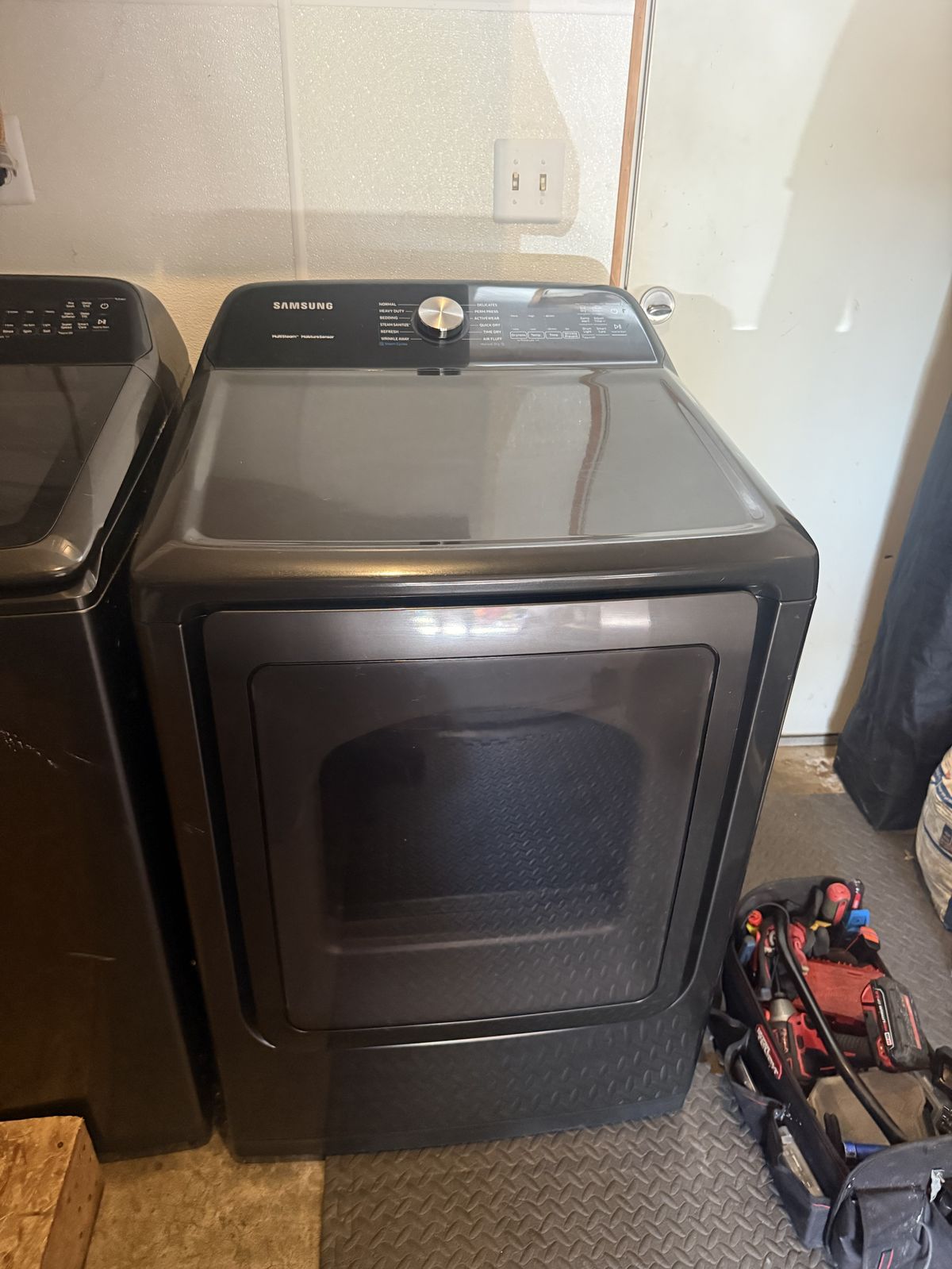
Tumwater's housing says a lot about its washers. The median home here dates to the mid-1990s and about 40 percent were built after 2000, so many laundry rooms sit upstairs or off the garage in two-story houses, usually holding a front-loader from LG, Samsung, Whirlpool, Maytag or Electrolux. Older homes near the falls still run plenty of top-loaders, with and without agitators, while townhomes and manufactured homes, which make up about 5 percent of the city, often squeeze a stacked pair into a closet. Our technicians repair all of them, along with Speed Queen, GE and Miele machines. Whatever the setup, every Tumwater washer visit opens the same way: we read the stored error history when the machine keeps one, then put it through a brief diagnostic cycle and note the exact step where it quits before we name a part.
Most washer calls here fall into a handful of patterns. A machine that will not drain usually has a clogged pump filter, a failing drain pump or a kinked hose. One that will not spin may have a bad lid switch or door lock, a worn belt, a shift actuator or a motor control fault. Slow fills point to the inlet valve screens, and on the rural edge those screens often hold iron grit from a private well. Front-loaders add complaints of their own: musty door boots in the damp months and bearings that roar on the final spin. The late-September windstorm also handed us a run of washers stuck mid-cycle with doors locked and drums full. Drain pumps, lid switches, door locks, inlet valves, belts and couplers ride on the van, so a fair share of washer repair in Tumwater finishes in one trip.
Soft city water, iron wells and damp Tumwater laundry rooms
Tumwater's city wells deliver water in the soft-to-moderate range, which means mineral scale is seldom the culprit inside a washer. The more common trouble is too much detergent: in softer water a full dose of HE soap oversudses, leaves residue on clothes and the door boot, and can trigger suds routines that stretch cycles and strain the drain pump. Out on the Littlerock Road corridor the picture changes: household wells there can hold enough iron and manganese to turn whites orange and drop sandy sediment into the fill-valve screens, and because septic tanks are common on that edge, measuring detergent carefully pays off twice. Weather plays a part as well. With roughly 50 inches of annual rainfall and air that sits around 80 percent humidity, front-load boots rarely dry out, and fall windstorms kill power partway through cycles.
Where our Tumwater washer calls come from
- Deschutes neighborhood by Pioneer Park. When the laundry sits in a garage or mudroom near Pioneer Park, the air stays cool and damp through fall, and front-loaders develop sour boots and slimy dispenser drawers by November. Our technician scrubs or swaps the boot, empties the pump filter trap, and makes sure the drain hose is looped high enough that gray water stays out of the drum between loads.
- Tumwater Valley. Many newer Tumwater Valley houses place the laundry on the second floor beside the bedrooms, a handy layout right up to the day a hose bursts or a fast spin sets the floor shaking. We check leveling, suspension springs and dampers, inspect hoses and the drain pan, and look for slow leaks at the pump before they show up as a ceiling stain below.
- historic falls district. Around Tumwater Falls, where the town began as New Market in 1845, older plumbing often sits behind the washer. When a washer there drains slowly, the culprit can be the standpipe or the house line instead of the machine. Our first step is pumping into a bucket to measure output, which shows whether the fix belongs to us or to a plumber.
- Littlerock Road corridor. Along Littlerock Road, private wells and septic systems shape washer care. Iron and manganese stain whites and collect in the inlet valve screens, slowing fills until the machine throws an error. Our tech flushes the screens or fits a new valve, times a fresh fill, and works out a detergent amount that suits both the well water and the septic tank.
Where our crew works
We cover all of Tumwater, from Tumwater Hill, Bush Prairie, Deschutes neighborhood by Pioneer Park, Littlerock Road corridor to the streets between. Tap a town on the map for its page.
Washer trouble we see around Tumwater
- Door locked since the windstorm outage. When power dropped mid-cycle during the late-September storm, many Tumwater front-loaders kept their doors locked with water inside. Most clear after a drain-and-spin once power returns. If yours stayed shut, our technician empties the drum safely first, then checks the lock assembly, the pump and the control board, so nothing gets forced.
- Orange whites on Littlerock well water. Rust-colored stains on towels and whites usually trace to iron in a private well, not to the washer itself, and chlorine bleach can set them for good. We check the inlet screens and valve for sediment, confirm the tub is not rusting, and explain what treating the water upstream would change.
- Suds pouring over on soft water. In Tumwater's softer city water, a full cap of HE detergent can make more foam than a front-loader can rinse away. The machine stalls, adds rinses, or flashes a suds code. We check the pressure sensor and drain path for faults, then help you find the right dose for your water.
- Sour door boot by November. Tumwater's wettest months keep front-load door boots from drying between loads, and mildew settles in the fold. A smell that survives a cleaning cycle often means a torn boot, a clogged pump filter or a drain hose holding water. We inspect each one and replace the boot when cleaning will not do.
- Upstairs washer shaking a two-story home. In two-story Tumwater houses, a spin cycle that rattles the floor usually points to worn shocks or dampers, broken suspension springs, uneven feet or failing drum bearings. We spin the machine empty and loaded, check the leveling, and listen for bearing noise before quoting the repair.

What to expect when we come out for a Tumwater washer
Tell us the brand, model and what the washer did last; a photo of any error code helps. On arrival, our technician checks the code history, runs a short diagnostic cycle, and measures fill, drain and spin before opening panels. If the drum is full, we drain it first and protect your floor. The diagnostic visit is $97. If you say yes to the fix, every dollar of it counts against the repair bill; if you say no, those $97 settle the visit. The repair begins only after you hold a fixed quote on paper. Our van stocks the usual washer parts, from pumps and lid switches to lock assemblies and fill valves. When something must be shipped in, our technician schedules a second stop to fit it, and you are not charged for that drive.
Fixing versus replacing a washer in Tumwater
Pumps, lid switches, door locks, inlet valves, belts and boots are repairs that make sense on almost any washer. The tougher cases are front-loaders with failed drum bearings, which often means a full tub assembly, and older models with a dead main control. Age, how hard the machine has worked, and whether the cabinet or drum is rusting matter as much as the failed part. Many washers that came with Tumwater's 2000s-era houses have reached the point where that question comes up. Our technician shows you the worn part and writes up what the repair involves, and if a new machine looks like the wiser path, says so right there.
Care tip: Once laundry is done for the day, prop open both the front-loader door and its soap drawer to let the boot air out, and run a dry towel around the gasket fold. On Tumwater's softer water, dose HE detergent at the low line; extra soap feeds residue, suds errors and that sour smell.
More repairs in Tumwater
Same repair nearby
Repair guides
Book a repair in Tumwater
One fixed quote after diagnosis. $97 diagnostic, applied to the repair if you go ahead.